Mushroom Blogs
Magic Mushrooms & Nature
Nov
Magic Mushrooms and Nature: The Deep Connection Between Fungi and the Human Experience
Magic mushrooms—psilocybin-containing fungi—have fascinated humans for centuries. Long before they were the subject of modern scientific research, they played important roles in traditional ceremonies, storytelling, and the exploration of our place in the natural world. Today, people are rediscovering not only their therapeutic potential, but also their ecological significance and the way they reflect deeper truths about nature’s complexity.
This blog post explores the relationship between magic mushrooms and the natural world: how they grow, how they interact with ecosystems, and why humans have long associated them with spirituality, connection, and a sense of belonging to something larger than ourselves.
1. Fungi: Nature’s Hidden Network
Magic mushrooms belong to the vast kingdom of fungi—organisms neither plant nor animal. While they often pop up in forests and fields, most of their life exists underground in a web-like structure called the mycelium.
This mycelial network:
Helps recycle nutrients
Supports plant growth
Breaks down organic matter
Connects ecosystems in invisible ways
Some scientists even refer to it as “nature’s internet”—a reminder that the forest floor is far more alive and interconnected than it appears.
Psilocybin-containing mushrooms are just one small part of this enormous, essential fungal world.
2. How Magic Mushrooms Grow in the Wild
Magic mushrooms often grow in symbiotic or opportunistic relationships with their environment. Their growth patterns depend on:
Moisture and rainfall
Soil composition
Decaying organic matter
Seasonal cycles
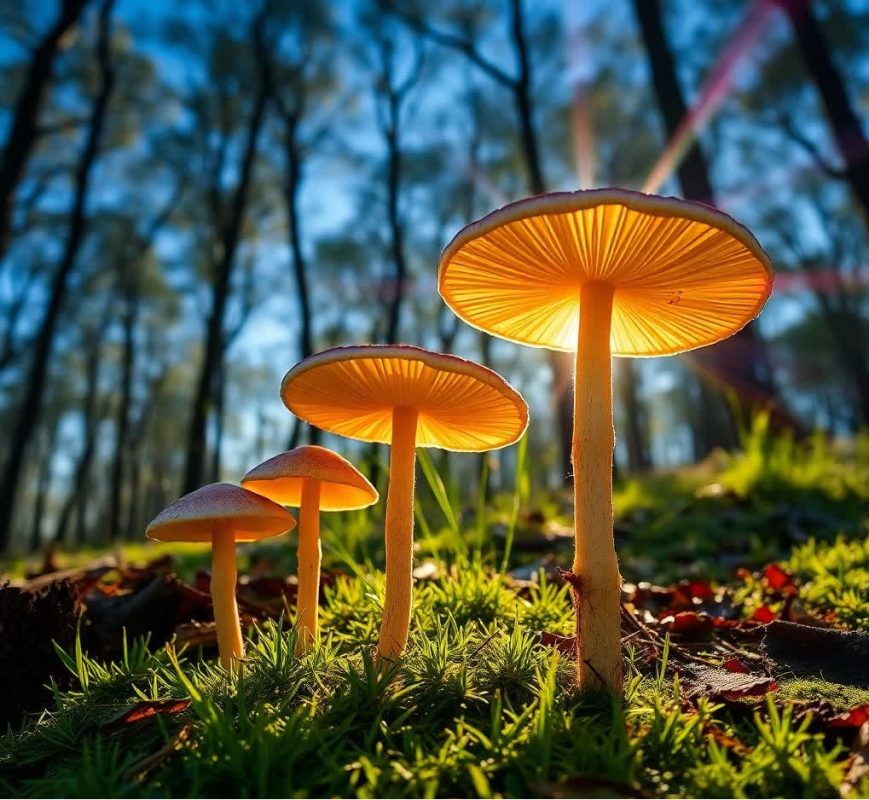
They tend to appear in environments rich in nutrients—forest floors, meadows, and sometimes even lawns or grasslands. Their sudden appearance after rainstorms has long added to their mystical reputation.
3. Ancient Cultures and the Natural Connection
For many Indigenous cultures, magic mushrooms were viewed not merely as substances, but as spiritual tools—gifts from nature meant to facilitate healing, insight, or communication with the natural world.
These cultures often used mushrooms to:
Deepen connection to land and spirit
Interpret dreams and visions
Mark rites of passage
While modern science focuses on neural pathways and neurotransmitters, traditional perspectives reflect a profound respect for fungi as teachers from the natural world.
4. The Emotional and Psychological Connection to Nature
Many people describe psychedelic experiences—when used in controlled, supervised settings—as enhancing feelings of:
Unity with nature
Appreciation for ecosystems
Environmental awareness
Awe and gratitude
Research has shown that psilocybin can increase feelings of connectedness, including with the natural environment. These effects have contributed to conversations about how psychedelics might influence ecological consciousness and sustainability efforts.
(Important note: such experiences come from therapeutic, guided contexts, not casual or unsupervised use.)
5. The Healing Power of Nature—and Fungi’s Role in It
Even outside of psilocybin, fungi are already major contributors to human health and well-being. Penicillin, for example, was derived from fungi. Edible and medicinal mushrooms are key sources of vitamins, minerals, and immune-supporting compounds.
Magic mushrooms serve as a reminder that nature is a vast pharmacy, and that many modern medicines come from studying the natural world rather than conquering it.
6. Conservation: Protecting the Environments Where Fungi Thrive
As interest in fungal species grows, conservation becomes increasingly important. Many forest ecosystems are threatened by:
Climate change
Deforestation
Soil depletion
Urban expansion
Protecting biodiversity ensures that fungal species—including psilocybin-containing mushrooms—continue to play their ecological roles. Healthy forests and grasslands mean healthy fungi, and healthy fungi mean healthier ecosystems.
A Final Reflection: What Magic Mushrooms Teach Us About Nature
Whether viewed through a scientific, ecological, or cultural lens, magic mushrooms highlight a profound truth: nature is interconnected, intelligent, and full of mystery.
By exploring the natural world—from mycelial networks to forest ecosystems—we deepen our understanding not only of fungi, but of ourselves. Magic mushrooms, through their history, symbolism, and emerging scientific significance, remind us to look closer at the living world around us—and to protect it.
